GOOD HOMES START WITH GOOD KNOW-HOW
Less panic.
More pipe sense.
The drip, the gurgle, the suspicious puddle. Get a clearer picture of what’s happening—and what to do next—with plumbing guidance that speaks your language.
Practical explanations. Sensible boundaries. No scare tactics.
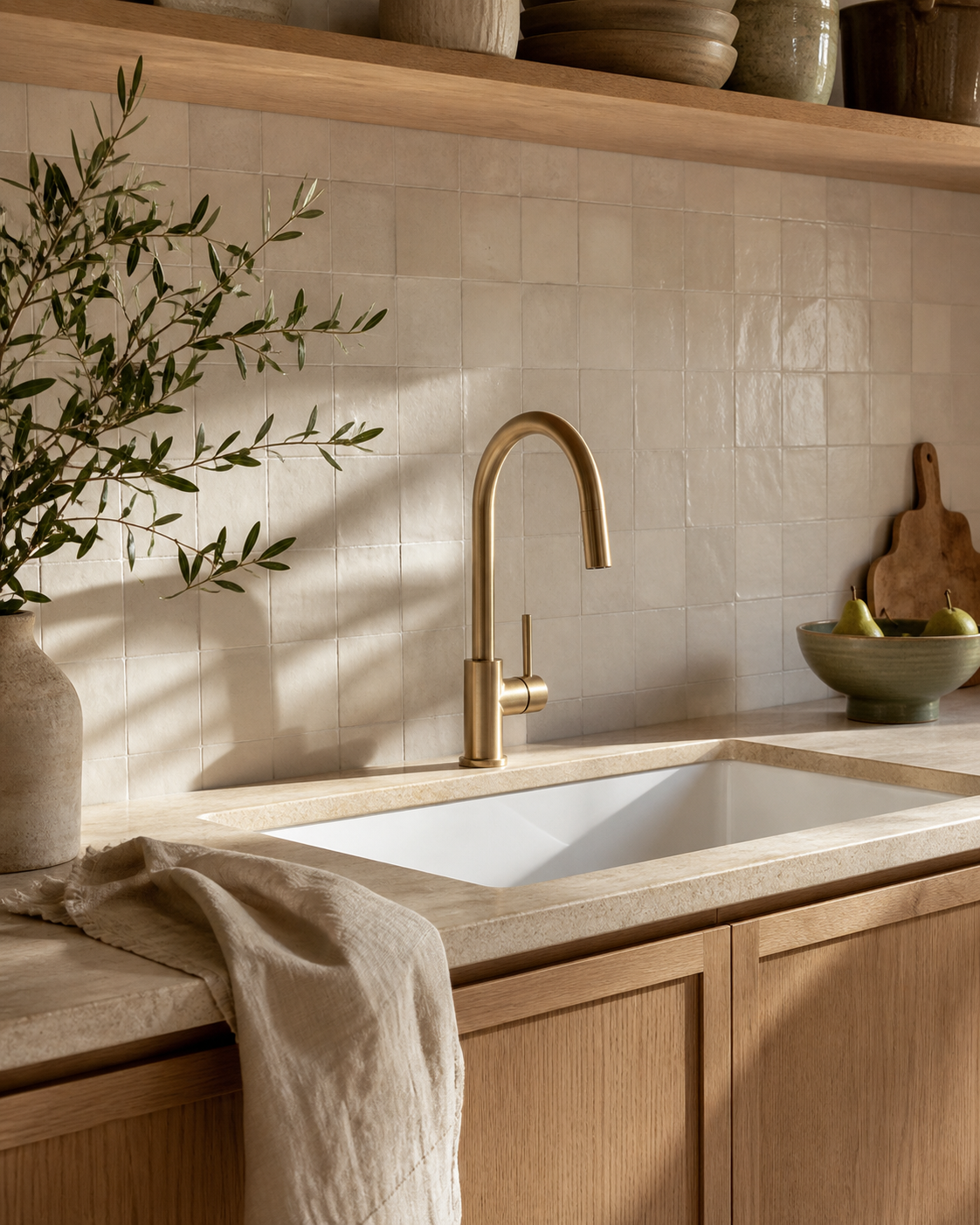
A BETTER PLACE TO START
Good questions.
Clearer answers.
You don’t need to know every fitting in the toolbox. Start with the part of your home that needs a little attention.
That drip deserves a look.
Learn where moisture can come from, which details to note, and why finding the source matters more than hiding the stain.
Spot the signsSlow isn’t always simple.
A sluggish sink and several backed-up fixtures tell different stories. Understand the clues before reaching for a bottle.
Read the symptomsChoose for the everyday.
Look beyond the finish. Explore water use, compatibility, access, and the little maintenance details that add up.
Plan a better upgrade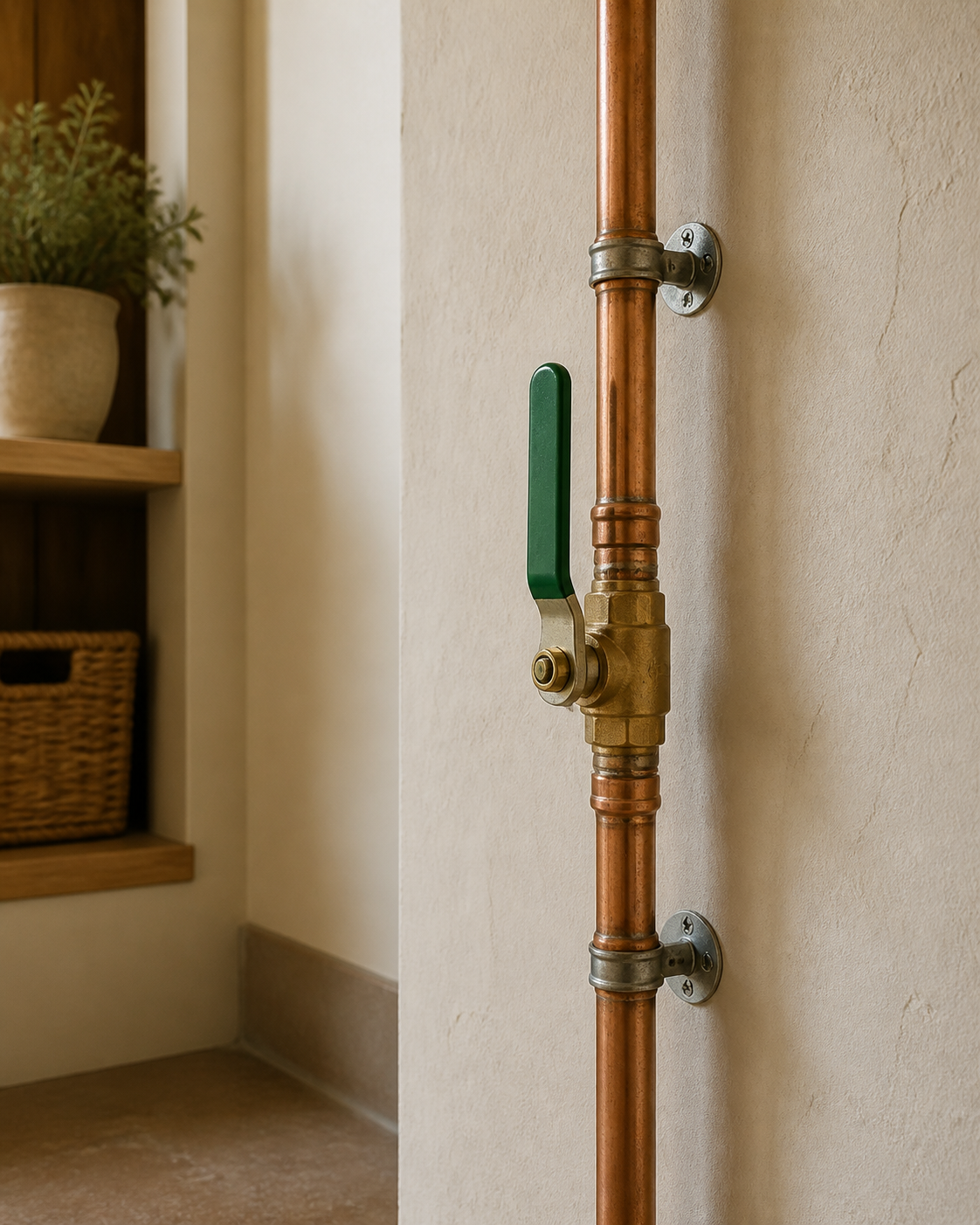
YOUR FIVE-MINUTE HEAD START
Meet your shutoff.
Before you need it.
One of the most useful things you can learn about your plumbing is where the water stops. Locate the accessible shutoff for your home and make sure the household knows where it is.
- Keep the area around the valve clear.
- Ask your building manager if you share a water supply.
- Don’t force a stuck or corroded valve—ask a plumber.
Locations and valve types vary. If you’re unsure what a valve controls, get it identified before operating it.
THE RIGHT EXPERT IS PART OF THE PLAN
Knowing when to call?
That’s a skill, too.
Recurring blockages, hidden leaks, sewage, and work governed by local codes deserve qualified attention. Our goal isn’t to turn every repair into a DIY project. It’s to help you make an informed decision.